Migraine is one of the most common neurological disorders worldwide and a leading cause of disability. Unlike occasional headaches, chronic migraine is defined as experiencing 15 or more headache days per month, with at least eight of those days having migraine features, for a period of more than three months.
Symptoms may include:
Moderate to severe headache
Sensitivity to light and sound
Nausea and vomiting
Visual disturbances
Difficulty concentrating
Neck pain
Frequent migraine attacks can significantly affect work performance, social activities, and overall quality of life.
Can Botox Help Prevent Migraines?
Botox® (onabotulinumtoxinA) is an FDA-approved treatment for the prevention of chronic migraine in adults.
Unlike pain medications that relieve an active migraine attack, Botox works as a preventive treatment, reducing the frequency and severity of future migraine episodes.
It is generally recommended for patients who experience chronic migraines and have not achieved adequate relief with conventional preventive medications.
How Does Botox Work?
Botox contains purified botulinum toxin type A, which temporarily blocks the release of neurotransmitters involved in muscle contraction and pain signaling.
Although its exact mechanism in migraine prevention is still being studied, Botox is believed to:
Reduce muscle tension around the head and neck
Block pain-signaling pathways
Decrease the release of inflammatory neurochemicals
Reduce nerve sensitivity associated with migraine attacks
Together, these effects help lower both the frequency and intensity of chronic migraines.
How Is Botox Administered for Migraine?
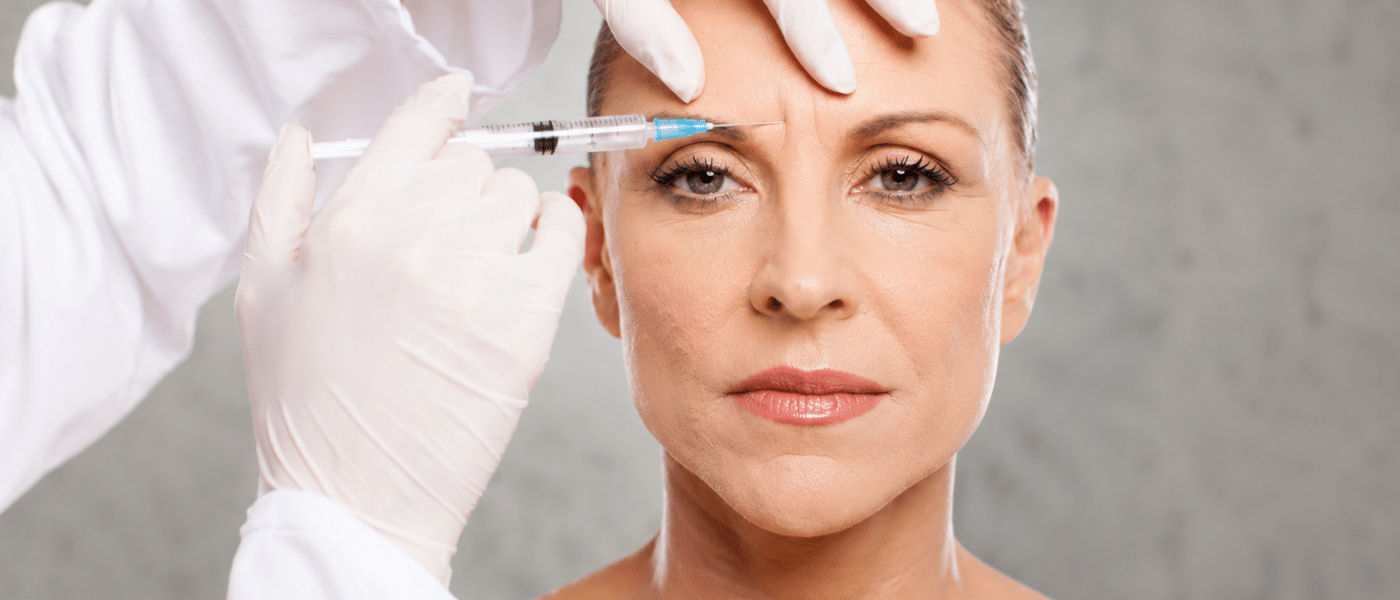
Treatment is performed using a series of small injections into specific muscles around the head and neck.
Common injection sites include:
Forehead
Glabella (between the eyebrows)
Temples
Back of the head
Neck
Upper shoulders
The procedure typically takes 15 to 20 minutes and is performed in an outpatient setting without the need for anesthesia.
Most patients describe the injections as mild pinpricks.
When Will Results Be Noticeable?
Botox does not provide immediate relief from an ongoing migraine attack.
Most patients begin noticing improvement within 2 to 4 weeks, with maximum benefit often occurring after repeated treatment sessions.
Many patients experience:
Fewer migraine days each month
Reduced headache intensity
Less reliance on pain medication
Improved daily functioning and quality of life
Keeping a migraine diary before and after treatment can help monitor progress and evaluate treatment success.
How Long Do the Effects Last?
The preventive effects of Botox generally last around 12 weeks.
For optimal results, treatment is usually repeated every three months according to an individualized treatment plan developed by a qualified healthcare provider.
Regular maintenance sessions often provide more consistent migraine control over time.
Who Is a Good Candidate?
Botox may be appropriate for adults who:
Experience 15 or more headache days per month
Have chronic migraine diagnosed by a healthcare professional
Have not responded adequately to preventive medications
Prefer a non-daily preventive treatment
A thorough neurological evaluation is recommended before beginning therapy.
Possible Side Effects
Botox for chronic migraine is generally well tolerated.
The most common side effects include:
Mild injection-site pain
Temporary neck discomfort
Muscle stiffness
Headache shortly after treatment
Mild bruising
Less commonly, patients may experience temporary eyelid drooping or localized muscle weakness.
Serious complications are rare when treatment is performed by an experienced medical professional.
Benefits of Botox for Chronic Migraine
Botox offers several advantages for eligible patients:
FDA-approved preventive treatment
Reduces the number of migraine days
May decrease headache severity
Quick in-office procedure
No daily medication required
Minimal downtime
Well-established safety profile
Many patients report significant improvements in their ability to work, exercise, travel, and enjoy everyday activities after regular Botox treatment.
Conclusion
Botox has become one of the most effective preventive treatments for chronic migraine. By reducing abnormal nerve signaling involved in migraine attacks, it helps decrease headache frequency and improve quality of life for many patients living with this debilitating neurological condition.
When administered by an experienced healthcare professional and combined with appropriate migraine management strategies, Botox offers a safe, reliable, and long-lasting option for patients seeking better control over chronic migraines.