What Is an Ideal Dermal Filler?
The ideal cosmetic filler should provide natural-looking results while maintaining an excellent safety profile. An effective filler should be:
Easy to inject
Biocompatible and non-reactive
Long-lasting without excessive permanence
Predictable in performance
Associated with a low risk of complications
Easy to manage if complications occur
Because no single filler meets every one of these criteria, dermal fillers are generally classified according to how long they remain in the body.
Types of Dermal Fillers
Temporary fillers
These fillers gradually break down over several months and are naturally absorbed by the body. Hyaluronic acid fillers are the most common example.
Semi-permanent fillers
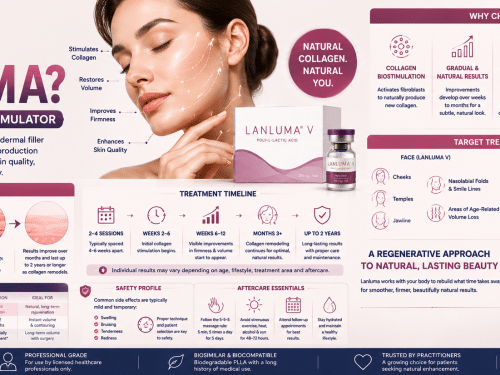
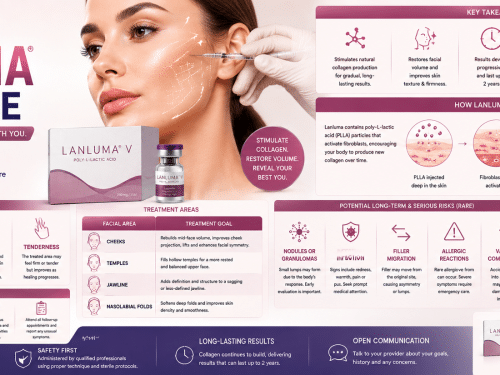
These products stimulate collagen production while slowly degrading over one to two years.
Permanent fillers
Permanent fillers are designed to remain within the tissues indefinitely or for many years. Although they provide long-lasting volume restoration, they cannot be easily removed and may cause complications long after treatment.
Permanent Dermal Fillers: Advantages and Challenges
Permanent fillers can provide durable facial correction with fewer repeat treatments. They may be appropriate for carefully selected patients seeking long-term improvement of volume loss or contour deficiencies.
However, unlike temporary fillers that can often be dissolved or naturally resorbed, permanent fillers remain in the tissues even as facial anatomy changes with aging. If complications occur, they are frequently more difficult—and sometimes impossible—to completely reverse.
For this reason, permanent fillers require extensive anatomical knowledge, meticulous injection technique, and careful patient counseling before treatment.
Regulatory Considerations
The availability of permanent fillers varies between countries because regulatory approval standards differ.
In the United States, cosmetic fillers must undergo extensive clinical testing to demonstrate both safety and effectiveness before receiving approval from the U.S. Food and Drug Administration (FDA). As a result, relatively few permanent fillers are available.
In some other regions, regulatory pathways have historically focused more heavily on manufacturing quality than on long-term clinical outcomes, allowing certain permanent fillers to enter the market with more limited long-term safety data. Consequently, much of the published information regarding permanent filler complications comes from post-market clinical experience.
Potential Complications of Dermal Fillers
All injectable fillers—including temporary, semi-permanent, and permanent products—can produce adverse effects. Complications are generally categorized according to when they occur.
Early Complications
Early reactions typically develop immediately after treatment or within the first two weeks.
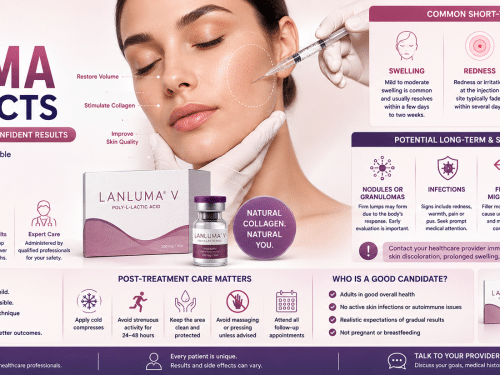
Common temporary reactions include:
Redness
Swelling
Bruising
Tenderness
Mild pain
Minor bleeding
These effects are usually self-limiting and resolve without intervention.
More serious early complications include:
Incorrect filler placement
Undercorrection or overcorrection
Infection
Vascular occlusion
Tissue ischemia
Vision loss following accidental arterial injection
Rapid recognition and treatment are critical, particularly when vascular compromise is suspected.
Complications More Common With Permanent Fillers
Because permanent fillers remain in the tissues indefinitely, they carry unique long-term risks that may appear months or even years after treatment.
Overcorrection
Injecting excessive amounts of permanent filler can result in unnatural facial contours that become increasingly noticeable over time as collagen forms around the implanted material.
Unlike temporary fillers, excess permanent filler cannot simply dissolve naturally, making correction considerably more difficult.
Vascular Embolization
Accidental injection into an artery represents one of the most serious complications in aesthetic medicine.
Blockage of blood vessels supplying the skin may result in tissue necrosis, while embolization involving arteries connected to the eye can lead to permanent vision loss.
High-risk treatment areas include:
Glabella
Nose
Nasolabial folds
Lips
Forehead
Immediate diagnosis and emergency management are essential.
Venous Compression
Large filler volumes may compress nearby veins, reducing normal blood drainage.
Symptoms may include:
Persistent swelling
Dull pain
Purple discoloration
Skin congestion
Prompt evaluation is required to prevent progression.
Facial Asymmetry
Because some permanent fillers stimulate collagen gradually, the final aesthetic result may not become fully apparent for weeks or months.
Overcorrection on one side of the face may create noticeable asymmetry that is difficult to reverse.
Conservative treatment over multiple sessions is generally recommended.
Filler Migration
Permanent filler material may migrate away from the original injection site, particularly when large volumes are injected or placed incorrectly.
Migration can create visible lumps or fullness in unintended facial regions.
Surface Irregularities
Improper placement within superficial tissue layers can lead to:
Visible nodules
Uneven contours
Firmness
Skin texture abnormalities
Deep placement using appropriate injection techniques helps reduce this risk.
Foreign Body Granulomas
Granulomas represent chronic inflammatory reactions in which the immune system attempts to isolate the filler material.
Patients may develop:
Firm nodules
Swelling
Tenderness
Persistent inflammation
These reactions may occur months or years after treatment and often require prolonged medical management or surgical removal.
Bacterial Biofilms
One of the most challenging delayed complications involves bacterial biofilms.
Biofilms are microscopic bacterial communities that attach to the surface of implanted filler material and become protected by a resistant biological matrix.
Because they evade both antibiotics and the immune system, biofilms may remain dormant for years before triggering recurrent inflammation, infection, or granuloma formation.
Treatment often requires prolonged antibiotics, corticosteroids, or surgical intervention.
Reducing the Risk of Complications
Although complications cannot be eliminated entirely, they can be significantly reduced by:
Selecting appropriate patients
Performing a thorough medical evaluation
Using high-quality, approved filler products
Understanding detailed facial anatomy
Employing meticulous injection techniques
Injecting conservative volumes
Scheduling gradual treatment sessions rather than aggressive correction
Promptly recognizing and managing vascular complications
Choosing the Right Filler
While permanent dermal fillers offer long-lasting aesthetic improvement, they require greater expertise and carry higher long-term risks than temporary hyaluronic acid fillers. For many patients, temporary fillers provide an excellent balance between safety, reversibility, and natural-looking results.
The choice of filler should always be individualized based on the patient’s anatomy, treatment goals, medical history, and willingness to accept the potential benefits and risks associated with long-lasting cosmetic implants.