Cosmetic Filler Removal: What Patients Should Know
Dermal fillers are one of the most popular non-surgical cosmetic treatments, offering quick and natural-looking facial enhancement. However, not every patient is satisfied with the final results. Whether due to changing beauty preferences, overfilled features, or treatment complications, cosmetic filler removal has become increasingly common.
Why Patients Choose Filler Removal
Many people now prefer a more subtle, natural appearance. Others may experience uneven results, excessive volume, or simply change their minds after treatment. In some cases, filler removal is recommended because of swelling, infection, lumps, or filler migration.
How Are Fillers Removed?
Hyaluronic acid (HA) fillers, such as Juvederm®, Restylane®, and Belotero®, can be dissolved using an enzyme called hyaluronidase. The procedure is quick, minimally invasive, and results are often visible within 24 to 48 hours.
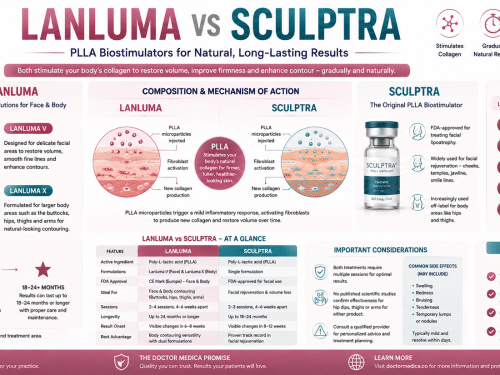
Fillers that are not made from hyaluronic acid, such as Radiesse® or Sculptra®, cannot be dissolved with hyaluronidase. These products usually fade gradually over time, although additional treatments may sometimes improve the results.
When Is Filler Removal Recommended?
Patients may consider filler removal if they experience:
Overfilled or unnatural-looking results
Lumps or uneven texture
Persistent swelling
Filler migration
Infection
Vascular complications requiring urgent treatment
Conclusion
Cosmetic filler removal is a safe and effective option when performed by an experienced medical professional. Whether correcting unsatisfactory results or following changing aesthetic preferences, the procedure can help restore a more balanced and natural appearance. Careful treatment planning and choosing a qualified injector remain the best ways to minimize the need for filler removal.