The field of aesthetic medicine has evolved beyond simply replacing lost facial volume. Today, more patients are seeking treatments that improve skin quality, stimulate natural tissue regeneration, and deliver subtle, long-lasting results. This shift has fueled the growing popularity of collagen injectables, also known as biostimulatory injectables.
Unlike traditional hyaluronic acid (HA) fillers, which provide immediate volume by attracting water molecules, collagen stimulators work by encouraging the body’s own fibroblasts to produce new collagen and elastin. Over time, this natural regenerative process improves skin firmness, elasticity, and facial structure while maintaining a refreshed, natural appearance.
In this article, we’ll explore how collagen injectables work, compare the most commonly used biostimulators, discuss patient selection, treatment timelines, and explain what medical professionals and patients should expect throughout the collagen stimulation process.
Key Takeaways
Collagen injectables stimulate the body’s natural collagen production rather than simply replacing lost volume.
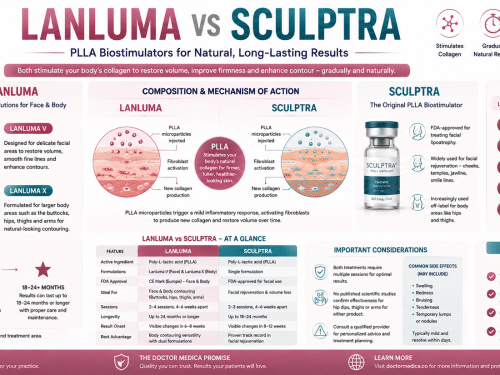
Poly-L-lactic acid (PLLA) and calcium hydroxylapatite (CaHA) are the two most widely used biostimulatory injectables.
Results develop gradually over several months as new collagen forms.
Proper patient selection and expectation management are essential for successful treatment outcomes.
Maintenance treatments help preserve skin quality and structural support over the long term.
What Are Collagen Injectables?
Collagen injectables are minimally invasive aesthetic treatments designed to stimulate the body’s natural regenerative processes.
Instead of functioning as traditional fillers, these products create a controlled biological response that activates fibroblasts—the cells responsible for producing collagen and elastin.
The result is gradual improvement in:
Skin firmness
Elasticity
Facial support
Skin texture
Overall skin quality
Because new collagen is produced naturally, the outcome often appears more subtle and longer-lasting than conventional volumizing fillers.
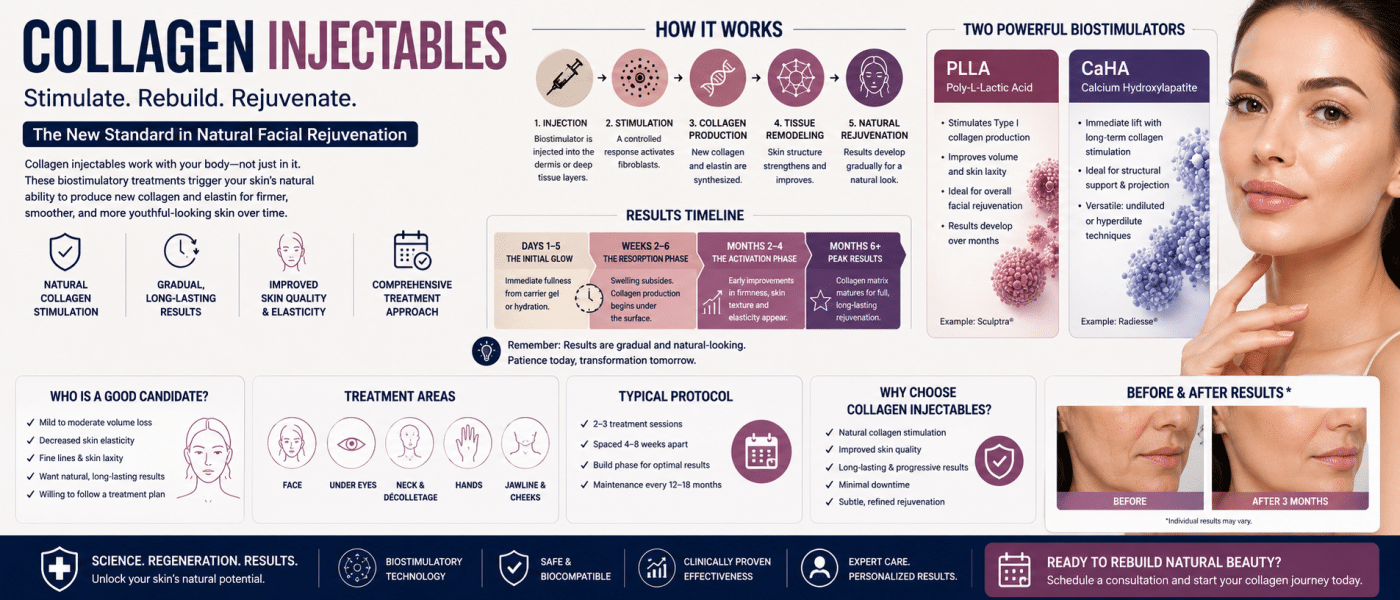
How Do Collagen Injectables Work?
Following injection, biostimulatory products create a temporary scaffold within the tissues.
This scaffold stimulates fibroblast activity, initiating the production of new structural proteins that strengthen the skin over time.
The process occurs gradually:
Injection of the biostimulator
Controlled inflammatory response
Fibroblast activation
New collagen and elastin synthesis
Progressive skin remodeling
Visible improvements typically appear several weeks after treatment and continue developing for months.
Types of Collagen Injectables
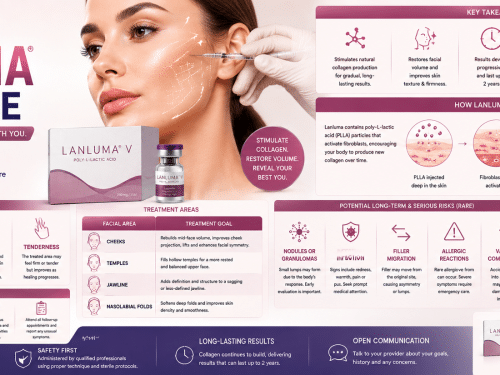
Poly-L-Lactic Acid (PLLA)
PLLA is a biodegradable synthetic polymer widely used for collagen stimulation.
Rather than providing immediate volume, PLLA gradually encourages fibroblasts to produce Type I collagen, restoring facial support over time.
PLLA is particularly effective for:
General facial volume loss
Mid-face rejuvenation
Temple hollowing
Skin laxity
Age-related collagen depletion
Results typically continue improving for several months after the treatment series.
Calcium Hydroxylapatite (CaHA)
CaHA combines immediate structural support with long-term collagen stimulation.
The gel carrier provides instant lifting, while calcium hydroxylapatite microspheres act as a scaffold for fibroblast activation and new collagen formation.
CaHA is commonly used for:
Jawline definition
Chin enhancement
Cheek contouring
Hand rejuvenation
Neck rejuvenation (hyperdiluted technique)
Its versatility allows practitioners to tailor treatments for both structural augmentation and skin quality improvement.
Who Is an Ideal Candidate?
Successful collagen stimulation depends heavily on selecting appropriate patients.
Ideal candidates generally include individuals experiencing:
Mild to moderate facial volume loss
Early skin laxity
Reduced skin elasticity
Fine lines
Age-related collagen depletion
Patients should also understand that results are gradual rather than immediate.
Those seeking instant correction before an upcoming event may benefit more from traditional hyaluronic acid fillers.
Factors That Influence Treatment Success
Several factors affect collagen production and treatment outcomes.
These include:
Age
Overall skin quality
Lifestyle habits
Smoking
Sun exposure
Nutrition
Individual collagen-producing capacity
Patients with healthier skin and stronger regenerative potential often achieve more predictable results.
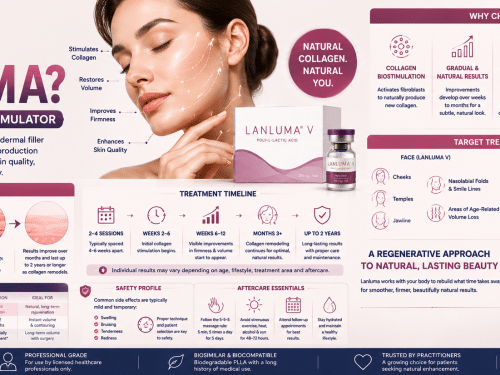
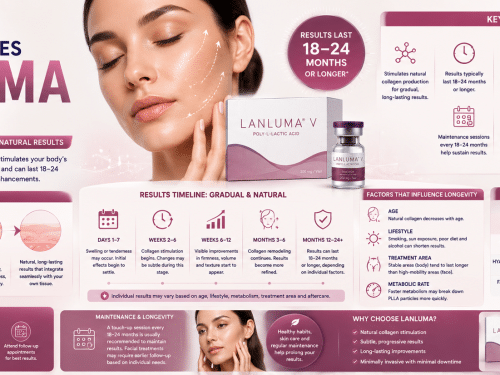
Treatment Timeline
One of the most important aspects of collagen injectable therapy is understanding the gradual development of results.
Days 1–5
Initial fullness is primarily caused by the carrier gel or treatment-related swelling.
Weeks 2–6
Temporary swelling subsides while collagen production begins beneath the surface.
During this phase, patients may feel that little is changing.
Months 2–4
Early collagen remodeling becomes visible.
Patients typically notice:
Improved skin firmness
Better elasticity
Enhanced facial contours
Healthier skin texture
Months 6 and Beyond
The collagen network continues to mature, producing the full aesthetic benefits of treatment.
Many patients report natural-looking rejuvenation without appearing overfilled.
Treatment Protocol
Most patients require a series of treatments to achieve optimal collagen stimulation.
A typical protocol includes:
Two to three treatment sessions
Four to eight weeks between appointments
Individualized treatment planning based on aging severity
Maintenance treatments are often recommended every 12 to 18 months to support ongoing collagen production.
Benefits of Collagen Injectables
Collagen biostimulators offer several advantages over traditional volumizing fillers.
Benefits include:
Natural-looking rejuvenation
Gradual improvement
Enhanced skin quality
Increased collagen production
Improved elasticity
Long-lasting results
Better facial structural support
Minimal downtime
Because results develop progressively, changes are often subtle enough that others notice patients look refreshed without identifying a specific cosmetic procedure.
Safety and Considerations
When administered by experienced medical professionals, collagen injectables have an excellent safety profile.
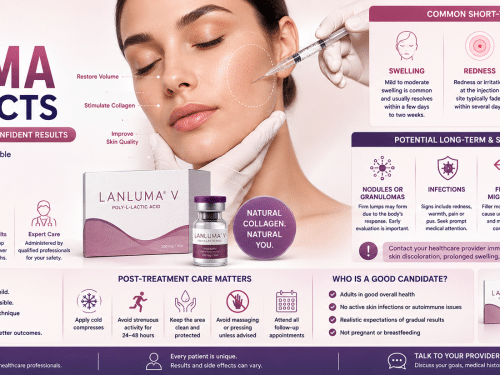
Common temporary side effects include:
Mild swelling
Redness
Bruising
Tenderness
Injection-site discomfort
Careful patient assessment, proper injection technique, and appropriate product placement help minimize the risk of complications.
Why Patient Education Matters
Managing expectations is one of the most important aspects of successful collagen stimulation treatments.
Patients should understand that:
Results are gradual
Multiple sessions are often necessary
Improvements continue for several months
Maintenance treatments preserve long-term benefits
Clear communication during consultation helps improve patient satisfaction and encourages adherence to the complete treatment plan.
Conclusion
Collagen injectables represent a new generation of regenerative aesthetic treatments that focus on restoring the skin’s natural structure rather than simply replacing lost volume. By stimulating collagen and elastin production, biostimulatory injectables offer gradual, long-lasting improvements in skin quality, firmness, and facial support.
For appropriately selected patients, treatments with collagen stimulators provide subtle yet significant rejuvenation that continues to develop over time. Combined with realistic expectations, individualized treatment planning, and ongoing maintenance, collagen injectables have become an essential component of modern aesthetic medicine for achieving natural-looking, durable results.